
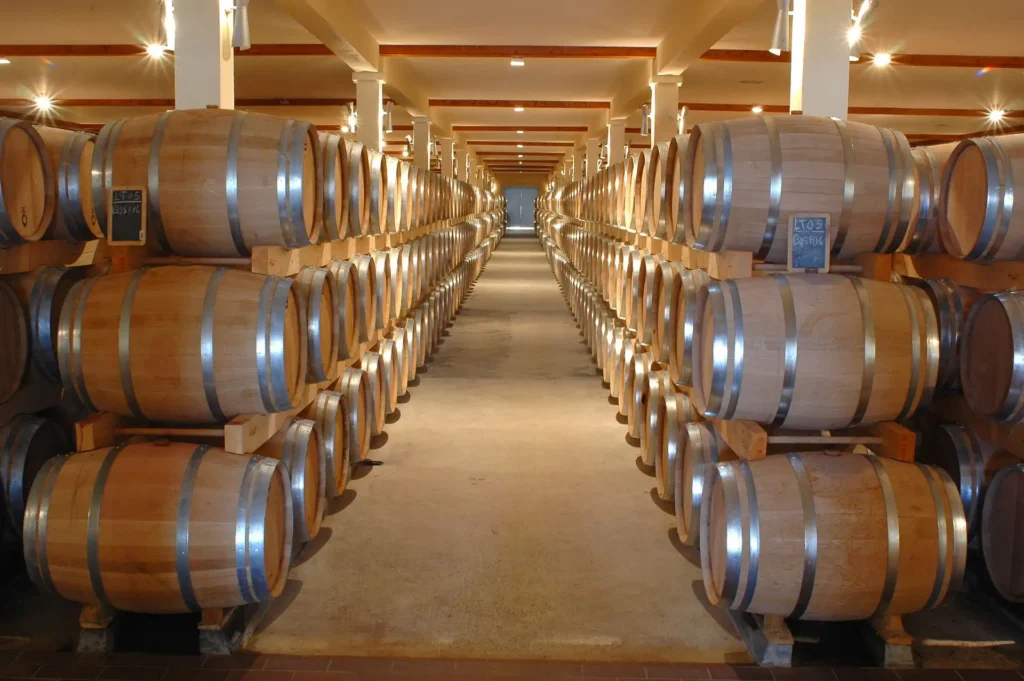
Off-site wine storage for wineries can shorten the path to customers by holding inventory in the market instead of at the estate. Rather than shipping every order from the winery, you send cases in bulk to a New York wine warehouse near your buyers and fill orders from there. Mana Wine Storage is a Jersey City, NJ facility that serves wineries, importers, and distributors within a 100 mile radius, so orders can start their trip in the region where your customers are. This guide shows how it can cut distribution time, what your options are, and what to check first. It is general information, not legal advice.
Why Distance Slows Down Winery Distribution
When a winery sells into the New York area from somewhere else, every order starts its trip at the winery. The farther that is from the customer, the longer each order takes and the more handoffs it passes through. Demand makes it harder: orders rarely arrive on a neat schedule, and a late truck or a supply chain hiccup can leave a customer waiting.
Staging inventory near your customers changes the shape of the problem. The first big trip still happens, but it happens once per restock, and short local runs handle each new order after that. Your logistics team sees fewer long-haul shipments, and each order has a shorter last leg to travel. That is what a regional warehouse is for.
What a New York Wine Warehouse Does for a Winery
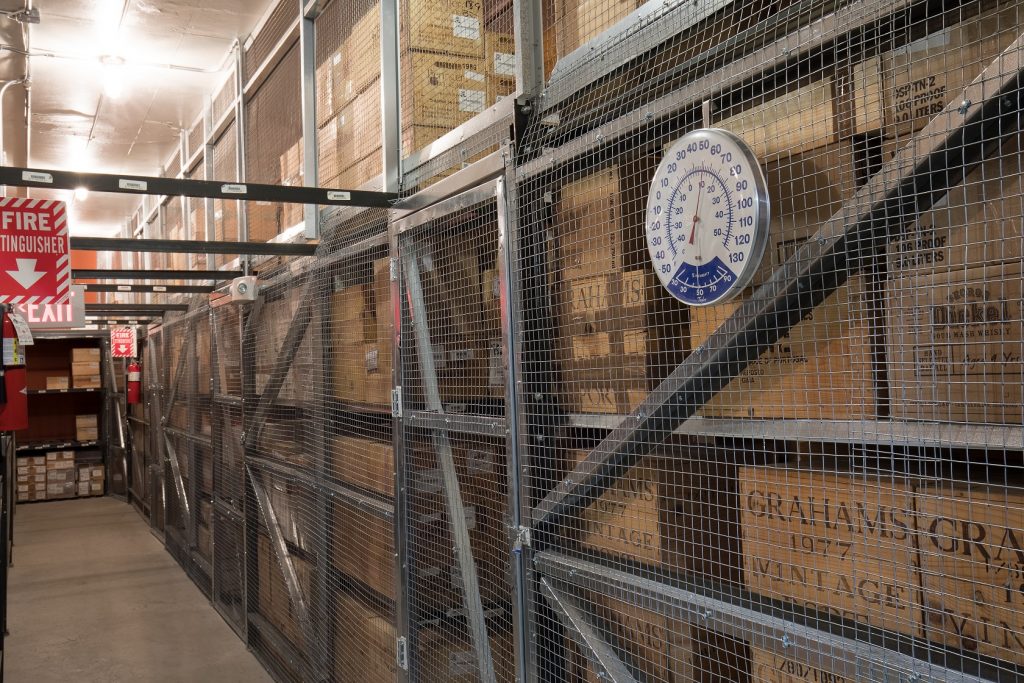
A wine warehouse near your market does a few jobs at once:
- Holds inventory close to customers. Stock sits in the region instead of waiting at the winery.
- Receives bulk shipments. You ship pallets or full cases on your schedule, and the facility checks them in.
- Handles packing and local delivery. Mana Wine’s managed inventory includes packing and receiving, daily delivery services, and domestic and international shipping, along with online tools to view inventory and user-friendly reports.
- Keeps the wine in good condition>. Steady temperature and humidity protect the wine while it waits for its next order.
Because wine is the product, the storage conditions matter as much as the logistics.
Example Scenario: Shipping Direct vs. Staging Inventory Locally
This is an illustrative scenario. Imagine a winery that sells to distributors, restaurants, and shops in the New York area from a production site far from the city. Orders come in a few cases at a time, and each one is packed and shipped from the winery.
Now compare that with staging a portion of the inventory at a regional warehouse:
| Ship each order from the winery | Stage inventory at a regional warehouse | |
| Where inventory waits | At the winery | In the region, near customers |
| How each order moves | Packed and shipped from the winery on its own trip | Picked from local stock and delivered locally |
| How the winery ships | Many small shipments | Fewer, larger shipments to the warehouse |
| What the winery handles | Every pick, pack, and carrier handoff | Restock planning, while the facility handles receiving, packing, and delivery |
The saving comes from where the long leg of the trip happens. With direct shipping, the long trip happens once per order. With staged inventory, it happens once per restock, in bulk, on a timeline you choose. Individual orders then travel only the short local distance.
Where the Time Savings Come From
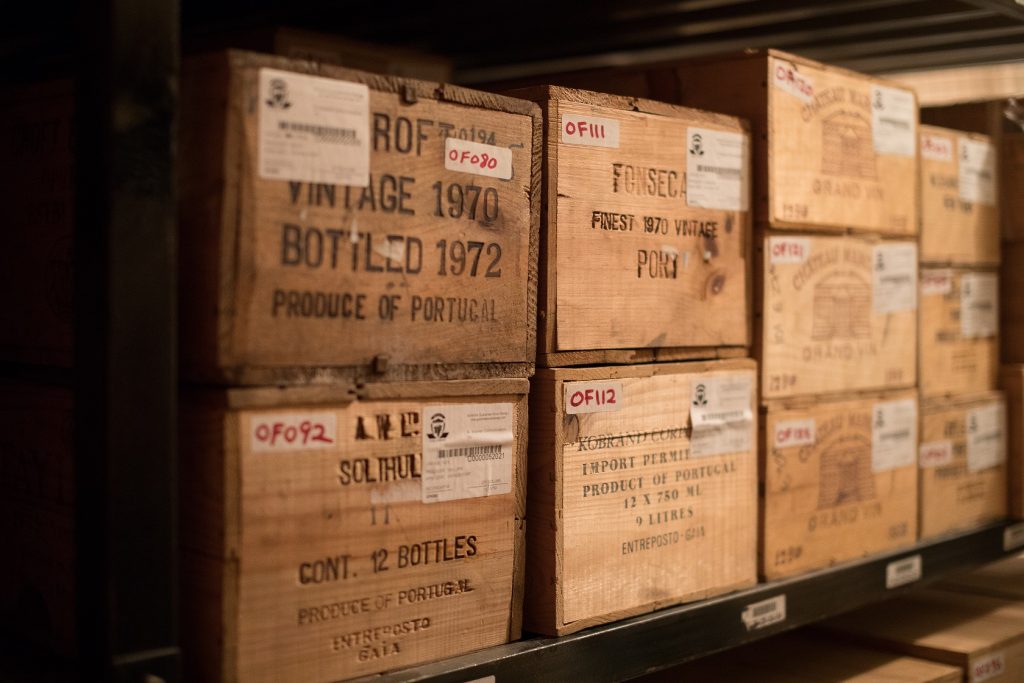
- The long trip happens once. Replenishing a warehouse in bulk replaces many separate long-distance shipments with a few planned ones.
- Delivery starts nearby. Mana Wine’s wine delivery covers all five boroughs of New York, Long Island, and New Jersey, its own employees manage pick-up and delivery, and same and next day delivery is always an option.
- Stock on hand cushions delays. Mana Wine’s pallet page says it works to help commercial accounts minimize difficulties from fluctuating demand and shipping delays. Inventory already in the region means a late shipment from the winery does not leave customers waiting.
- Fewer long-haul shipments. Moving less wine over long distances, in larger batches, can also mean a smaller carbon footprint.
Wine Storage Options for Wineries and Distributors
Mana Wine works with producers, importers, distributors, and retailers, and offers several ways to hold wine:
- Pallet storage. Pallet storage for wine and liquor, offered to producers, importers, distributors, and retailers in the tri-state area.
- Private lockers. Custom and pre-built lockers, located at the front of the facility with access to a loading dock, ramp, and carts. Locker visits are scheduled, so book ahead.
- Managed inventory. The facility handles packing and receiving, daily delivery, and domestic and international shipping, and you view inventory through online management tools and reports.
A simple way to choose: pallets for steady commercial volume, lockers if your own team will pull wine on a schedule, and managed inventory if you want the facility to do the handling. Many wineries combine two.
What Storage Conditions Should You Require?
Wine does not care how far it has traveled to reach the warehouse. Wine Spectator gives an ideal temperature range of 45 to 65 degrees Fahrenheit, with 55 often cited as close to perfect, and notes that temperatures above 70 degrees age wine more quickly than is usually desirable. It describes humidity between 50 and 80 percent as safe, with about 70 percent ideal.
The range matters, but consistency matters more. A few questions are worth asking on any facility tour:
- How close does the operator hold temperature and humidity to the target range, day after day, and how often does someone check?
- What happens during a power outage, and how long can the space stay in range?
- Is the building in a low-risk flood zone, and what backup power is in place?
- How is access controlled, and how are visits logged?
At Mana Wine, the cellar manager checks temperature and humidity daily, to within 2 degrees and 2 percent of the desired range, the facility has access to three backup generators and sits in a low-risk flood zone, and security systems are actively monitored.
Check Your License Before You Stage Inventory

Start with your license. This is a quick check, not a reason to avoid off-site storage. Storage and delivery rules can depend on the license you hold, whether winery, importer, or distributor, and on the states involved, so a quick call to the regulator or your attorney before the first shipment is worthwhile. Then ask any facility to confirm its permit or license status, the same way you would ask about conditions and security.
How to Keep Track of Inventory You Cannot See
The obvious question about off-site storage is, “How do I know what is there?” When the wine is in another state, records are your control. Ask whether a person checks in every case and records what is inside it. At Mana Wine, a person takes inventory of every case that comes in and records what is inside it, and each case or other container is barcoded. Ask whether you can view inventory online and get reports you can reconcile with your own records each month.
Case-level records keep your count and the warehouse’s count in step. When a case moves in or out, both sides should be able to point to the same line.
A Simple Decision Checklist
Use this before you ship anything:
- Do customers in the New York area order often enough that waiting on shipments from the winery slows them down?
- Can you ship in bulk, by the pallet or the full case, on a schedule you control?
- Have you checked what your own license allows with the regulator or an attorney, and has the facility confirmed its permit or license status?
- Does the facility hold temperature and humidity within a narrow range and monitor them daily?
- Are security systems actively monitored, and is there backup power?
- Is every incoming case checked in and recorded, with a barcode on the case or container?
- Does delivery reach the places your customers are, on a schedule that fits their orders?
- Do you know the arrangement you want: pallet, locker, or managed inventory?
If most answers are yes, staging inventory locally is worth testing.
Frequently Asked Questions
What does a New York wine warehouse do for a winery?
It holds your inventory near your customers, receives bulk shipments from the winery, and handles packing and local delivery. Orders then start their trip in the region instead of at the winery.
How can off-site wine storage for wineries reduce distribution time?
The long leg of the trip happens once, when you ship cases in bulk to the warehouse. After that, orders are filled from stock already in the region and delivered locally, so they skip the long haul.
What wine storage options does Mana Wine offer wineries?
Mana Wine offers pallet storage, private lockers, and managed inventory. Pallet storage is described for producers, importers, distributors, and retailers, and lockers are custom or pre-built with flexible hours and scheduled visits.
Can distributors and importers use the same storage as wineries?
Mana Wine’s pallet storage is offered to producers, importers, distributors, and retailers in the tri-state area, so a distributor can stage inventory the same way a winery does.
What storage conditions should a warehouse meet?
Wine Spectator gives an ideal range of 45 to 65 degrees Fahrenheit, with 55 often cited as close to perfect, and says humidity between 50 and 80 percent is considered safe, with about 70 percent ideal. Ask how the facility monitors conditions and how often.
How is winery inventory tracked in off-site storage?
At Mana Wine, a person takes inventory of every case that comes in and records what is inside it, and each case or other container is barcoded. Ask any facility whether you can view inventory online and get reports you can reconcile with your own records.
How does delivery work from the warehouse?
Mana Wine delivers to all five boroughs of New York, Long Island, and New Jersey, and its own employees manage pick-up and delivery. Same and next day delivery is always an option.
What should a winery ask a facility before moving inventory?
Ask how temperature and humidity are monitored, how security and backup power work, how inventory is recorded, how pick-ups and deliveries are scheduled, and what happens during a power outage or flood. Then ask the facility to confirm its permit or license status.
Where does Mana Wine serve wineries?
Mana Wine is in Jersey City, NJ, and serves clients within a 100 mile radius: the state of New Jersey, all five boroughs of New York, Long Island, the lower Hudson Valley, eastern Pennsylvania, and coastal Connecticut.
Stage Your Winery’s Inventory Closer to Your Customers
Mana Wine Storage is a Jersey City, NJ facility offering wine storage for wineries within a 100 mile radius, covering the state of New Jersey, all five boroughs of New York, Long Island, the lower Hudson Valley, eastern Pennsylvania, and coastal Connecticut. The facility is entirely temperature and humidity controlled, and a person takes inventory of every case that comes in and records what is inside it. Wineries can choose pallet storage, private lockers, or managed inventory. Contact Mana Wine with your case count, shipment timeline, and delivery needs, and the team can help you match the setup to your operation.
Sources: 7 Tips for Storing Wine (Wine Spectator), (https://www.winespectator.com/articles/how-to-store-wine-temperature-humidity-coolers-and-more).
