
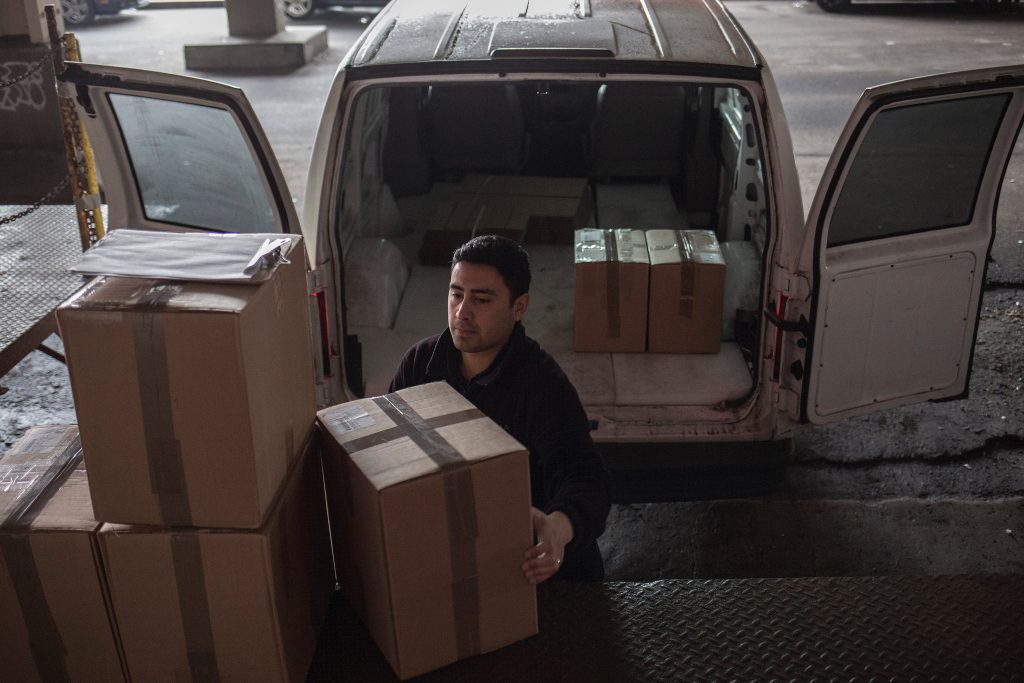
A wine collection does not move like the rest of the household. A handful of specific decisions (who moves it, when, how it is packed, where it lands on arrival) determine whether the bottles arrive in good shape or get damaged by heat, cold, vibration, or a truck that sat in the sun. For anyone relocating to NJ or NYC, this is the checklist that walks through each of those calls, and explains where professional wine moving companies fit in versus handling it yourself.
Deciding Whether to Hire Wine Moving Companies or Move a Smaller Collection Personally
The first call is whether the collection warrants a specialty mover at all. A practical rule: if the collection fits in a single standard case and the move is local and quick, moving it personally is reasonable. Anything larger, more valuable, or more fragile deserves a real conversation with a specialist.
Reasons to bring in wine moving companies:
- More than a few cases, or any bottles worth real money.
- A long-distance leg where the wine will sit in a truck for hours or days.
- The collection includes older vintages, large formats, or anything cork-down sensitive.
- The household is being moved by professional movers anyway, and adding wine as a separately handled, insured shipment is straightforward.
Reasons to skip them:
- A small collection moving across town in a temperature-controlled car.
- A collection mostly made up of everyday bottles with no serious replacement value.
- A move so short that the wine could ride in a personal vehicle and skip the insurance calculus entirely.
What to Ask Before Booking a Mover
Wine moving companies and general household movers are not interchangeable. The questions below separate the two.
- Is the truck genuinely climate-controlled, or just insulated? Insulation slows temperature change but does not stop it. In a Jersey City summer or a January night on the interstate, the difference matters.
- What packing materials do they use for wine specifically? Look for foam dividers and corrugated wine shipping boxes, not just generic cardboard.
- Does their valuation coverage account for temperature damage, or only breakage? This is the single biggest gap in most moving policies, and the most common way wine actually gets ruined in transit.
- Have they moved wine before, and how often? A mover who has done one wine shipment is not the same as one who handles them weekly.
- What is the high-value inventory process? A formal appraisal and a documented high-value form should be standard for any collection worth real money.
- Will they pick up and deliver within a specific window, or is it open-ended? Open-ended windows mean the wine can sit on a loading dock longer than you want.
Timing the Move Around the Weather
Wine wants to stay close to 55°F during transit, the same target as long-term storage. The danger is rarely the drive itself. It is the parked truck sitting in summer sun or a long stretch in winter cold, both of which can push the temperature well outside that range without a climate-controlled vehicle.
Both Allied Van Lines and United Van Lines point to early spring or late fall as the safest windows for moving wine, since outdoor temperatures are closest to that 55°F target. Summer heat and winter cold are the two conditions to plan around, or avoid entirely if the schedule allows.
If the move has to happen in July or January, the question of climate control stops being optional. Confirm it in writing before booking.
Packing It the Way Professionals Do
Bottles should travel on their side, the same way they sit in storage, to keep corks from drying out. Each box should be labeled fragile and this-side-up, and stacked accordingly in the truck.
A few specifics worth getting right:
- Use boxes sized for wine, not general moving boxes. Generic boxes leave bottles free to shift.
- Foam inserts and corrugated wine shippers absorb vibration, which matters more than most people expect.
- Tape boxes so they cannot be inverted accidentally. A “this side up” arrow is not a guarantee on its own.
- Keep the manifest with the shipment. Cases get separated. A list of what is in each box, and where it goes on the other end, saves a real headache on arrival day.
Protecting the Collection’s Value

Most mover valuation coverage is built around weight and breakage, not temperature-related damage, which is the more common way wine actually gets ruined in a move. It is worth asking directly whether a mover’s coverage accounts for that, and what happens if a truck sits in extreme heat for an afternoon.
United Van Lines recommends a professional appraisal and a formal high-value inventory form for collections valued above roughly $100 per pound, a useful general benchmark even outside that specific carrier. Below that line, the paperwork is simpler but the same logic applies: anything worth replacing needs to be documented before it goes on the truck.
A few related calls:
- Photograph the collection before it leaves.
- Confirm whether homeowner’s or renter’s insurance covers wine in transit before assuming it does.
- For high-value bottles, consider a separate shipper that specializes in fine wine, even if the household move is being handled by someone else.
Where the Wine Goes Once It Arrives in NJ or NYC
This is the part most checklists skip, and the part that quietly damages collections after an otherwise fine move.
Most apartments and townhouses in NJ or NYC do not have genuine climate-controlled space. A closet, a spare room, or a corner of the kitchen is not the same as a proper wine environment. Heat from a radiator, direct sun through a window, or a unit that runs warm in summer will push the temperature well outside the safe range within weeks. If there is no real plan for where the collection lives once it arrives, professional storage, even short-term while settling in, is the safer bet than a closet.
For readers who end up storing with Mana Wine, pickup and delivery can bring the collection to the storage facility once it’s time, and back out again whenever it’s needed, rather than requiring a separate trip.
Letting It Rest Before Opening Anything
Wine needs time to settle after being moved. Vibration during transport causes bottle shock, a temporary flattening of aromas and flavors that fades with rest. Allied Van Lines recommends letting bottles rest at least seven days before opening anything. United Van Lines gives a scaled rule: roughly seven days of rest for every day the wine was in transit. Either way, the takeaway is the same. Unpack it, let it sit, wait at least a week.
For older bottles or large formats, lean toward the longer end of that range.
The Checklist, At a Glance
- Decide whether the collection warrants a specialty mover or can move personally.
- Vet wine moving companies on climate control, packing materials, and temperature coverage.
- Schedule the move in early spring or late fall when outdoor temperatures are closest to 55°F.
- Pack bottles on their side in wine-specific boxes with foam inserts.
- Get a professional appraisal and high-value inventory for collections above roughly $100 per pound.
- Photograph the collection before it leaves.
- Confirm valuation coverage includes temperature damage, not just breakage.
- Have a real plan for where the collection will live on arrival.
- Let bottles rest at least seven days before opening anything.
Frequently Asked Questions
What should I look for in wine moving companies?
The short list is climate-controlled trucks, wine-specific packing materials like foam dividers and corrugated wine shippers, and valuation coverage that includes temperature damage, not just breakage. A mover who handles wine regularly, rather than as a one-off, is worth the conversation even at a higher rate.
How long should wine rest after a move?
At least seven days for a short local move. For longer trips, the practical rule is roughly seven days of rest for every day the wine was in transit. Older bottles and large formats benefit from the longer end of that range.
What temperature is safe for transporting wine?
Close to 55°F, the same target as long-term storage. The bigger risk than the drive itself is a parked truck in summer heat or winter cold, which can push the temperature well outside that range quickly without a climate-controlled vehicle.
Does wine in a move need special insurance?
Standard mover valuation typically covers weight and breakage, not temperature damage, which is the more common way wine actually gets ruined in transit. A professional appraisal and a high-value inventory form are worth doing for collections valued above roughly $100 per pound, and it is worth confirming in writing that the mover’s coverage accounts for temperature-related loss.
Where should I store wine after moving to NYC or NJ?
Most apartments and townhouses in the area do not have genuine climate-controlled space. A closet or spare room is not the same as a proper wine environment. Short-term and long-term professional storage, such as what Mana Wine offers out of Jersey City, with pickup and delivery available once it’s time to bring the collection in, is a reliable option whether the goal is just getting settled or keeping the collection stored for good.
Sources for third-party figures cited above: Moving Your Wine (Allied Van Lines), (https://www.allied.com/moving-resources/tips/moving-your-wine), How to Move Wine (United Van Lines), (https://www.unitedvanlines.com/moving-tips/blog/how-to-move-wine)
