
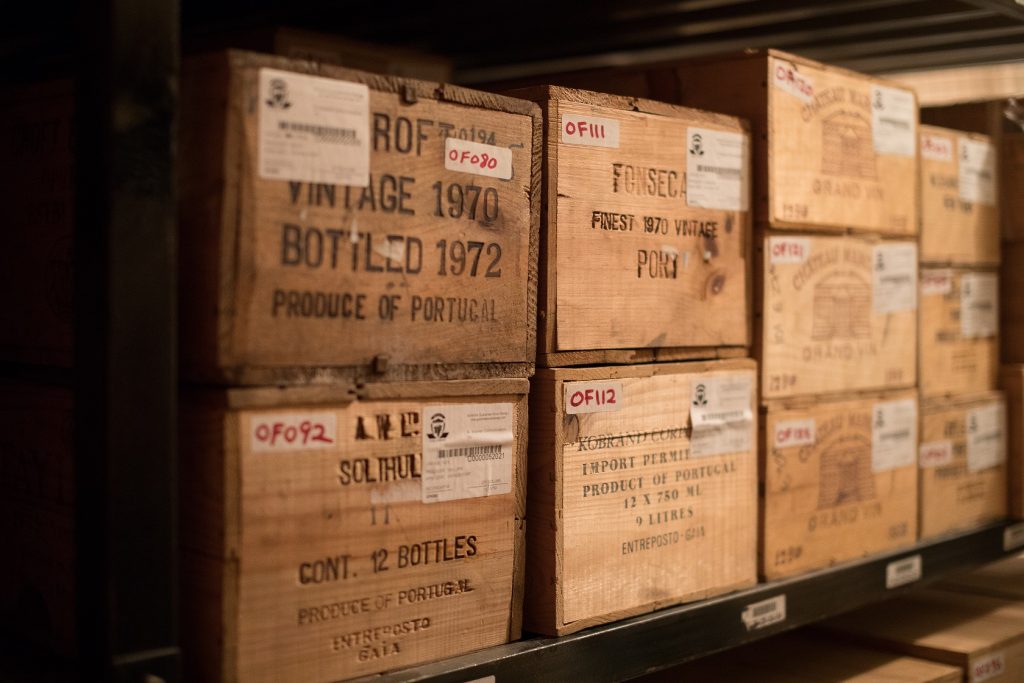
A wine vault is a purpose-built, climate-controlled space where a collection is held under constant conditions and monitored security, as opposed to a closet, a basement corner, or a growing stack of boxes in your home office. Three things separate a real wine vault from a room with a lock on the door: stable conditions, security systems that are actively monitored, and a clear record of what is stored and where. This guide covers what each of those looks like, what to ask before choosing wine vault storage in NYC or New Jersey, and how Mana Wine’s facility in Jersey City handles it.
What Is a Wine Vault?
The word “vault” gets used loosely. A spare room with bottles on a rack might be called a wine cellar, and a home cellar might earn the name “wine vault” if the owner wants to. What actually separates the term from marketing is what the space does. A wine vault is defined by three things working together: a controlled environment, deliberate protection, and controlled access.
The environment is climate that holds steady (more on the numbers in the next section). Protection is more than a locked door. It is someone or something paying attention when no one is around. Access is the part serious collectors think about least until they need it: who can get to the bottles, and when.
A wine vault matters most when a bottle is hard to replace. For an everyday bottle, the kitchen counter is fine. For a first growth Bordeaux, a Burgundy from a tiny producer, or a limited release that may not be made again, the question becomes whether the storage itself is worth trusting with the collection.
What Conditions Should a Wine Vault Maintain?
Three conditions matter: temperature, humidity, and darkness. For the first two, “constant” is the key word.
According to Wine Folly’s guide on what makes a good wine cellar, the proper temperature for storing wine is a constant 55 to 59°F (12 to 15°C) with 55 to 75 percent humidity. Darkness is also crucial, because ultraviolet light from light sources can cause wine to spoil. Wine with a natural cork should be stored on its side so the cork stays in contact with the wine. Screw-top wines don’t need to be stored on their side.
Steadiness matters more than hitting one specific number on a thermostat. A space that swings widely from day to day is aging the collection in conditions the producer never intended. So is a closet that warms up every time the furnace kicks on, or a spare room that gets direct sun.
A second set of questions is just as important as the numbers: how closely are those numbers held, and who is watching them? The tighter the monitoring, the smaller the chance that a problem is noticed only after the collection has been damaged.
What Should You Look for in a Wine Vault?

This is the question most collectors ask first. Four plain questions cover most of what matters.
- Is the facility monitored around the clock, and by whom?
- What keeps the climate controls running if the power goes out?
- How closely are temperature and humidity tracked day to day?
- How is the collection recorded?
A facility that answers all four clearly has thought about the collection the way a collector does.
How Mana Wine Approaches Wine Vault Storage
Mana Wine’s facility in Jersey City is built around those four questions.
On security, the facility is virtually monitored 24/7 by an on-site security team, and all Mana Wine storage offers constant surveillance and advanced security. Private lockers deliver another level of security and privacy.
On climate, the warehouse is entirely temperature and humidity controlled. The cellar manager monitors temperature and humidity daily, to within 2 degrees and 2 percent of the desired range. Private lockers are located within a temperature and humidity controlled area that is monitored daily.
On backup power, the facility has access to three backup generators, which speaks directly to the power question above.
On records, a person takes inventory of every case that comes in and records what is inside it, and each case or other container gets a barcode. The inventory updates as wines arrive and leave the cellar, and clients can view their collections through an online inventory system and place orders 24 hours a day.
This is the foundation of storage for private collectors at Mana Wine: a facility whose conditions, security, backup power, and inventory are all built around what a serious collection actually needs.
Wine Vault Storage in NYC and New Jersey
For collectors in the New York and New Jersey area, geography matters as much as any of the four questions above. A vault across the country does not help if a case needs to be picked up for dinner, moved to a new apartment, or pulled for a sale.
Mana Wine is based in Jersey City, NJ, and serves New York City’s five boroughs, Long Island, and New Jersey. The pickup and delivery service moves wine between a collector’s home or office and the facility, so a case going into storage or coming back out does not require a separate trip. That is what makes wine vault storage in NYC and New Jersey practical for a working collection: it sits close enough to use.
Mana Wine is based in Jersey City, NJ, and its service area covers a 100-mile radius from the facility, including New Jersey, all five boroughs of New York, Long Island, the lower Hudson Valley, eastern Pennsylvania, and coastal Connecticut. The pickup and delivery service moves wine between a collector’s home or office and the facility, so a case going into storage or coming back out does not require a separate trip. That is what makes wine vault storage in NYC and New Jersey practical for a working collection: it sits close enough to use.
Private Locker or Managed Inventory?
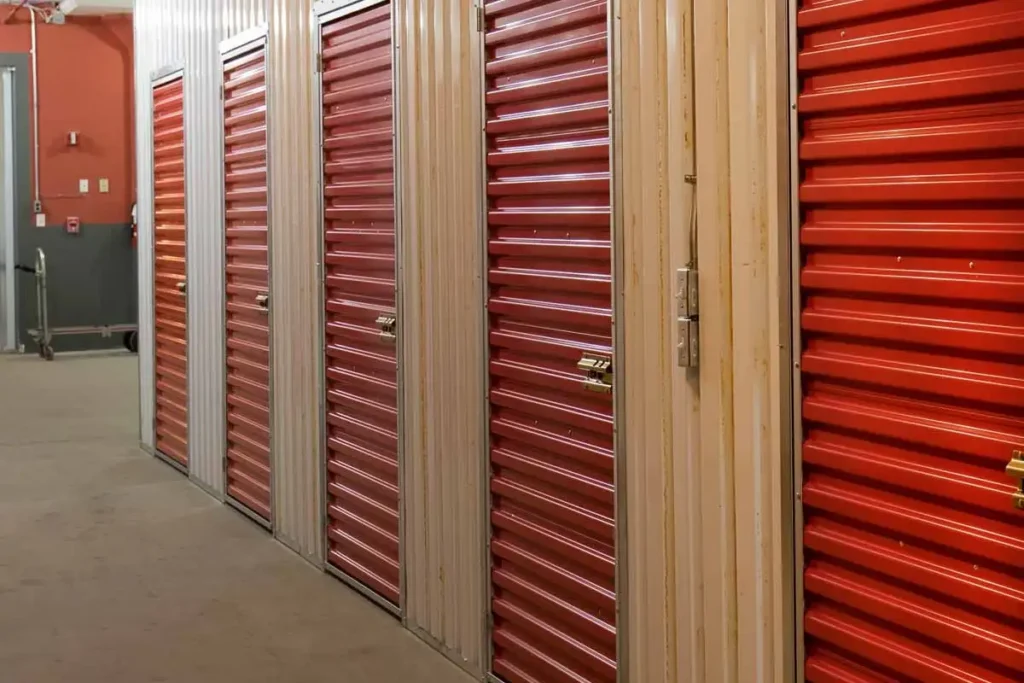
Collectors storing at Mana Wine can choose between two setups. Managed inventory means Mana Wine keeps a detailed record of every bottle, and the inventory updates as wines arrive and leave. A private wine locker is a secure, climate-controlled space with an extra layer of security and privacy, and scheduled visits that let the owner spend time with the collection in person.
Both sit inside the same monitored, climate-controlled facility. The choice comes down to how hands-on the collector wants to be.
Frequently Asked Questions
What is a wine vault?
A wine vault is a purpose-built, climate-controlled space where a collection is held under constant conditions and monitored security, rather than a closet, a basement corner, or a growing stack of boxes in your home office. The term refers to the combination of stable environment, deliberate protection, and a clear record of what is stored.
What should I look for in a wine vault?
Four things cover most of what matters: whether the facility is monitored around the clock and by whom, what keeps the climate controls running if the power goes out, how closely temperature and humidity are tracked day to day, and how the collection is recorded. A clear answer to each is a better signal than any list of certifications.
What temperature should a wine vault be kept at?
The proper range is a constant 55 to 59°F (12 to 15°C) with 55 to 75 percent humidity, according to Wine Folly. Steadiness matters more than a single number on a thermostat.
Is a wine vault the same as a wine cellar?
A cellar is any space built or set aside for wine, often in a home. A vault suggests the added layers of tight conditions, security, and a clear record of what is stored. Many professional facilities offer all of it, and the terms are often used to describe the same kind of facility.
Is there wine vault storage in NYC and New Jersey?
Yes. Mana Wine is based in Jersey City and its service area covers a 100-mile radius from the facility, including New Jersey, all five boroughs of New York, Long Island, the lower Hudson Valley, eastern Pennsylvania, and coastal Connecticut. Pickup and delivery runs between a collector’s home or office and the facility, so wine going into storage or coming back out does not require a separate trip.
How secure is wine storage at Mana Wine?
Mana Wine’s facility is virtually monitored 24/7 by an on-site security team, and all Mana Wine storage offers constant surveillance and advanced security. Private lockers deliver another level of security and privacy.
Can I visit my wine in a private locker?
Yes. Private lockers are described as secure, climate-controlled, and easily accessible, with scheduled visits that let the owner spend time with the collection in person.
Sources: What Makes a Good Wine Cellar? Top Organization Tips (Wine Folly), (https://winefolly.com/deep-dive/what-makes-a-good-wine-cellar/)
