

Selling at a wine auction involves real decisions: which route to take, what a collection is actually worth, what it costs to sell, and how to set a price that won’t leave money on the table. This guide walks through what a first-time seller should know before contacting an auction house.
How wine auction consignment actually works
Consigning wine to a wine auction starts with a list of what’s in the collection, where it was purchased, and how it’s been stored. Most auction houses provide a free appraisal from that list, plus a provisional estimate based on recent comparable sales, a proposed seller’s fee, and a suggested reserve price.
From there the wine typically ships or gets delivered to the auction house before it goes into an upcoming sale. Some online platforms handle wine consignment differently and may confirm condition in place rather than requiring a full shipment, but the appraisal step is the same either way.
What makes a collection auction-ready

Auction houses care about three things when reviewing a consignment: provenance, condition, and completeness.
Provenance is the bottle’s story. Wine purchased from a winery, a reputable retailer, or a professional storage facility is easier to place than wine with no purchase history. Condition covers fill levels, label wear, capsule integrity, and how the wine has actually been stored. Professional climate-controlled storage is expected for anything of real value, and houses will often sample bottles to verify authenticity and storage quality before accepting a consignment. Completeness matters too: multiple bottles of the same wine or a full case generally place and sell better than a single bottle of something obscure.
What it costs to sell wine at auction
Seller’s fees vary widely across the industry, from zero up to around 18 percent of the final bid, with roughly 6 percent being fairly standard for a significant collection. Acker Merrall & Condit and Morrell & Co. have both, at times, charged no seller’s fee at all, and fees are often negotiable, particularly for valuable consignments.
Insurance while the wine is in the auction house’s care typically runs around 1 percent of the estimated value. That insurance charge is often waivable if the collection is already insured. Shipping costs can run higher in summer months because of the temperature-controlled transport wine actually needs.
Setting a reserve price
A reserve price is the minimum amount a bottle or lot can sell for. If bidding doesn’t reach the reserve, the wine doesn’t sell. Auction houses typically propose a reserve as part of the initial estimate, based on recent comparable sales, and it’s a real negotiation, not a number handed down.
Setting the reserve too high risks the wine going unsold. Setting it too low risks leaving real value on the table. The estimate the house sends over is the starting point, not the final answer.
How storage and documentation affect what a collection sells for
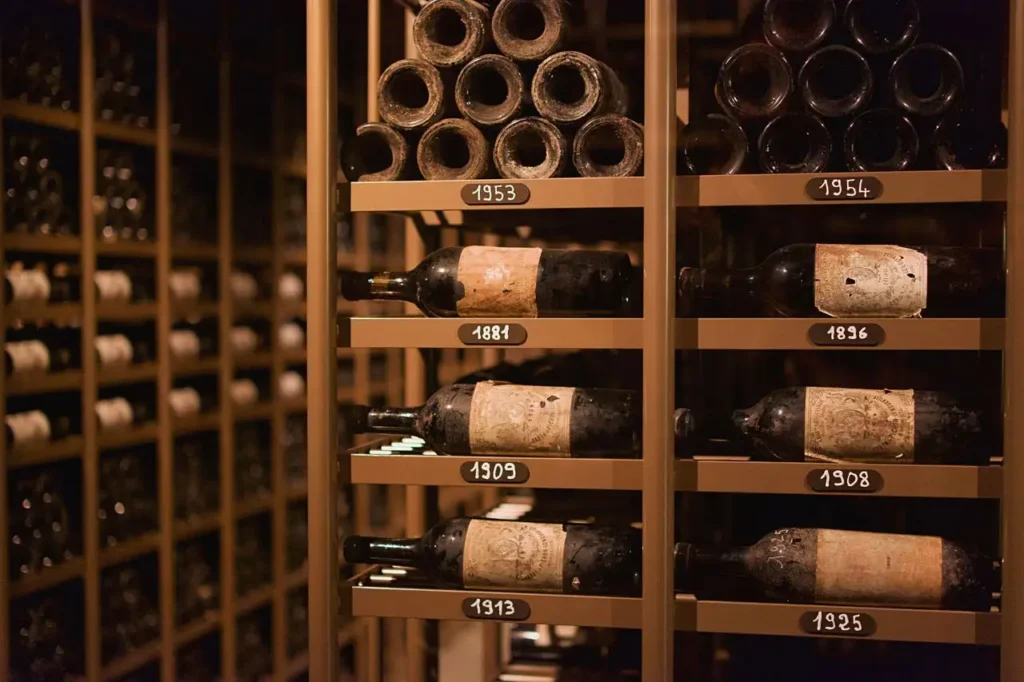
A bottle with a documented history, purchased from a known source and kept in verified, climate-controlled conditions the whole time, is an easier sell than one with a gap in its story. Auction houses want confidence in what they’re accepting, and a clean chain of custody makes that confidence possible.
For collectors already storing with Mana Wine, the barcode-based inventory system tracks every bottle in and out of storage. That kind of recorded history is what gives an auction house more confidence at the consignment stage, though documented storage alone doesn’t guarantee a sale or a specific price.
What happens after consigning
Once a lot sells, the question is how quickly a seller gets paid. Most auction houses, including Christie’s and Sotheby’s, render payment within about 35 days after the sale closes. That timeline can vary by venue and is worth confirming upfront with whichever house or platform a seller chooses.
Getting started
A first-time seller doesn’t need a fully appraised collection or a target price in mind before reaching out. The appraisal step exists to answer exactly those questions. What helps most is having the basics ready: a list of the bottles, where each was purchased, and a record of how the collection has been stored. Because fees, minimums, and payment timelines vary by venue, it’s worth gathering that information from whichever houses or platforms a seller is considering before submitting a list.
Frequently asked questions
How much does it cost to sell wine at auction?
Seller’s fees across the industry range from zero up to around 18 percent of the final bid, with roughly 6 percent being fairly standard for a significant collection. Insurance while the wine is at the auction house typically adds around 1 percent of the estimated value, though that charge is often waivable if the collection is already insured. Shipping is a separate cost and tends to run higher in summer because of the temperature-controlled transport wine requires.
What is a reserve price in a wine auction?
A reserve price is the minimum amount a bottle or lot can sell for. If bidding doesn’t reach the reserve, the wine doesn’t sell. Auction houses typically propose a reserve based on recent comparable sales, and the number is a real negotiation between the seller and the house, not a fixed figure.
Do I need documentation to sell wine at auction?
Documentation helps, and most auction houses expect it. A clear purchase history from a winery, reputable retailer, or professional storage facility, plus a record of climate-controlled storage, makes a consignment easier to accept and easier to sell. Wine with gaps in its story is harder to place and may face more scrutiny.
How long does it take to get paid after a wine auction?
Most auction houses, including Christie’s and Sotheby’s, pay sellers within about 35 days after the sale closes. The exact timeline varies by venue and should be confirmed upfront before consigning.
Is there a minimum collection value to sell at auction?
It depends on the venue. Sotheby’s wine division has required a collection value of at least $20,000. Winebid.com’s minimum has been reported around $2,500. WineCommune.com has had no stated minimum at all. Sellers should confirm the threshold with whichever house or platform they’re considering before submitting a list.
Sources for third-party figures cited above: Cellars 101: How to Sell Your Wine at Auction (Wine Spectator), (https://www.winespectator.com/articles/how-to-sell-wine-at-auction)
